Sex Toy Safety Guide 2026 — What's Safe and What to Avoid
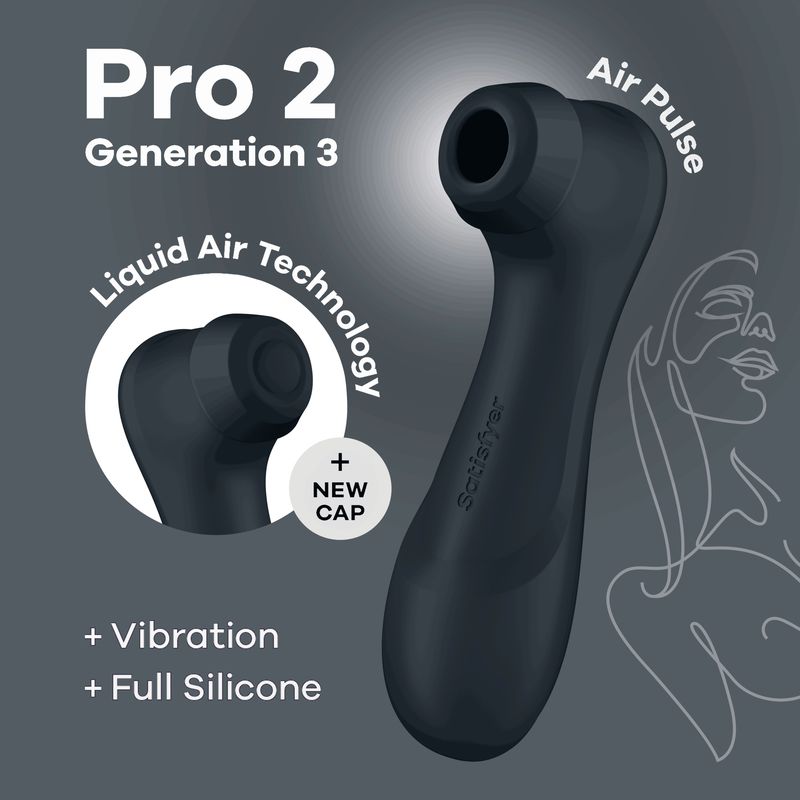
Safe Materials
✅ Medical-grade silicone
Best option. Non-porous (bacteria can't penetrate), hypoallergenic, sterilizable by boiling. The gold standard. Look for "medical-grade" specifically.
✅ ABS plastic (hard)
Rigid plastic, non-porous, completely safe. Most vibrator handles are ABS. Can be cleaned with alcohol.
✅ Stainless steel
Non-porous, sterilizable, excellent temperature retention. Used in premium dildos (Njoy). Virtually indestructible.
✅ Borosilicate glass
Same as high-quality Pyrex. Non-porous, sterilizable, temperature play. Must be borosilicate (not soda-lime glass).
Unsafe Materials
❌ Jelly rubber / PVC
Porous material that cannot be sterilized. Often contains phthalates. Strong smell is a red flag. Never use internally without a condom.
❌ Unspecified "rubber"
Without a specific material name, assume it's unsafe. Legitimate manufacturers always specify materials.
❌ Cheap TPE/TPR
Thermoplastic elastomers — porous, cannot be fully cleaned. Budget toys often use these. Degrade over time.
❌ "Cyberskin" / "UR3"
Brand names for realistic-feel materials that are porous and degrade quickly. Require condom use, have short lifespan.
Understanding Phthalates
Phthalates are chemical plasticizers that make PVC soft and pliable. Certain types (DEHP, DBP, BBP) are endocrine disruptors — they can interfere with hormone production and have been linked to developmental issues.
Phthalates are banned in children's toys in the EU and US at concentrations above 0.1%. They're not regulated in adult toys. Some older-style "jelly rubber" toys contain phthalates at concentrations hundreds of times higher than the children's toy limit.
Material Quick Reference
| Material | Porous? | Phthalate-free? | Sterilizable? | Safe? |
|---|---|---|---|---|
| Medical silicone | No | Yes | Yes | ✅ Best |
| ABS Plastic | No | Yes | Yes | ✅ Safe |
| Stainless Steel | No | Yes | Yes | ✅ Best |
| Borosilicate Glass | No | Yes | Yes | ✅ Best |
| TPE/TPR | Yes | Maybe | No | ⚠️ Use condom |
| Jelly/PVC | Yes | Often No | No | ❌ Avoid |
Trusted Brands
These brands consistently use body-safe materials and clearly disclose them: LELO, We-Vibe, Womanizer, Tenga, Njoy, Tantus, Fun Factory, b-Vibe.
Brands to be cautious with: any brand selling through AliExpress/DHGate without material specs, any product priced dramatically below market.
What to Do With an Unsafe Toy
If you have a porous or suspected unsafe toy: use a condom over it for any internal use. Don't attempt to sterilize — it won't work. Consider replacing with a silicone or ABS plastic alternative.
FAQ
What materials are safe in sex toys?
Medical-grade silicone (best), ABS plastic, stainless steel, borosilicate glass. All non-porous and free of harmful chemicals.
Are cheap vibrators safe?
Not always. Budget brands like Satisfyer use safe materials (silicone/ABS) and clearly disclose this. Unknown cheap brands from unverified sellers often use porous materials with unknown chemical content.
How can I tell if my toy is safe?
Check: material is named specifically (not just "rubber"), no strong chemical smell, from a reputable brand that discloses materials, "phthalate-free" label present.